
Crafting
Next Era
of Indian
Aviation.
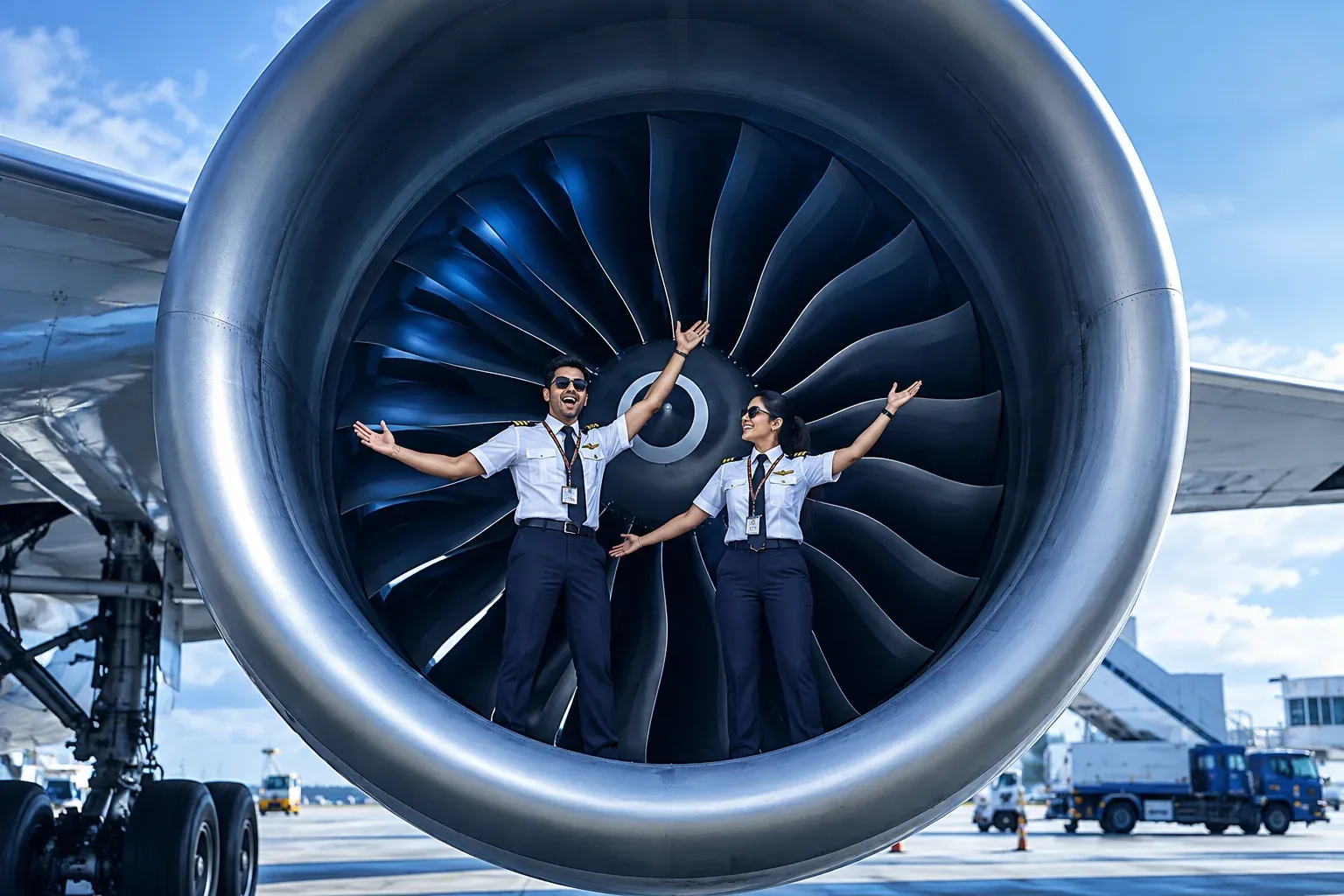
As India's skies grow, so does the need for world-class aviation talent. We bring advanced training and industry-aligned experiences closer to home.
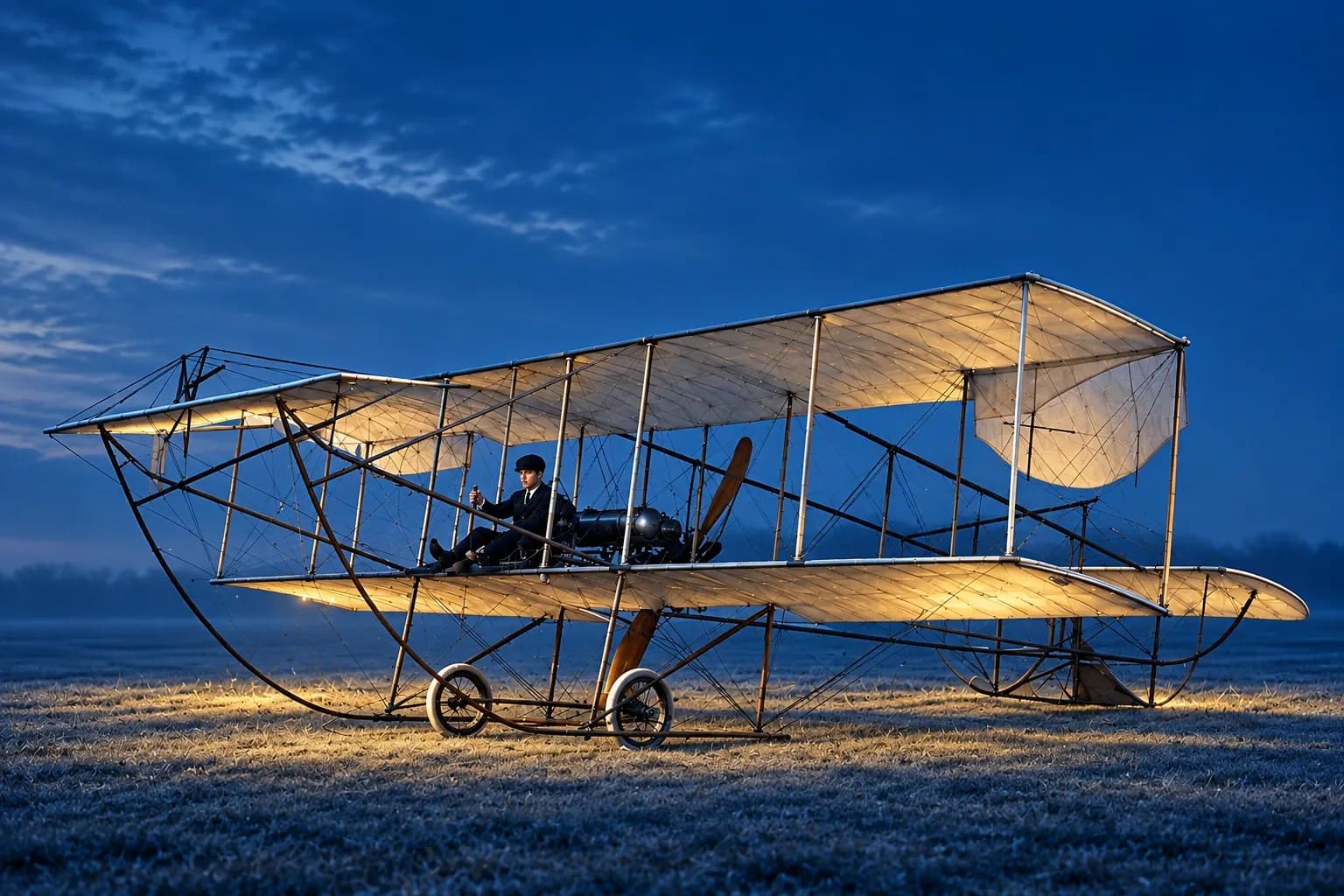
India's aviation story is entering a whole new era. It started in 1911, when the world's first official airmail flight took off from Allahabad (now Prayagraj) to Naini. More than a century later, aviation has evolved far beyond simply getting from Point A to B.
Today, it is a key driver of India's economic growth, connectivity, infrastructure and global ambitions. And this is only the beginning.
Aviate,
Navigate,
Communicate.
India's aviation boom isn't just about adding more aircraft to the skies. It's about building the infrastructure, training capacity, simulator access and airline-ready pilots to power what comes next. With 6 years of experience across the aerospace industry, Movsta Aviation is built to be part of India's next big aviation chapter.
Simulator
Access Is
Still a
Challenge.
Today, getting access to the right full-flight simulator, at the right time and in the right place, is still a challenge for pilots and flight crews across India.
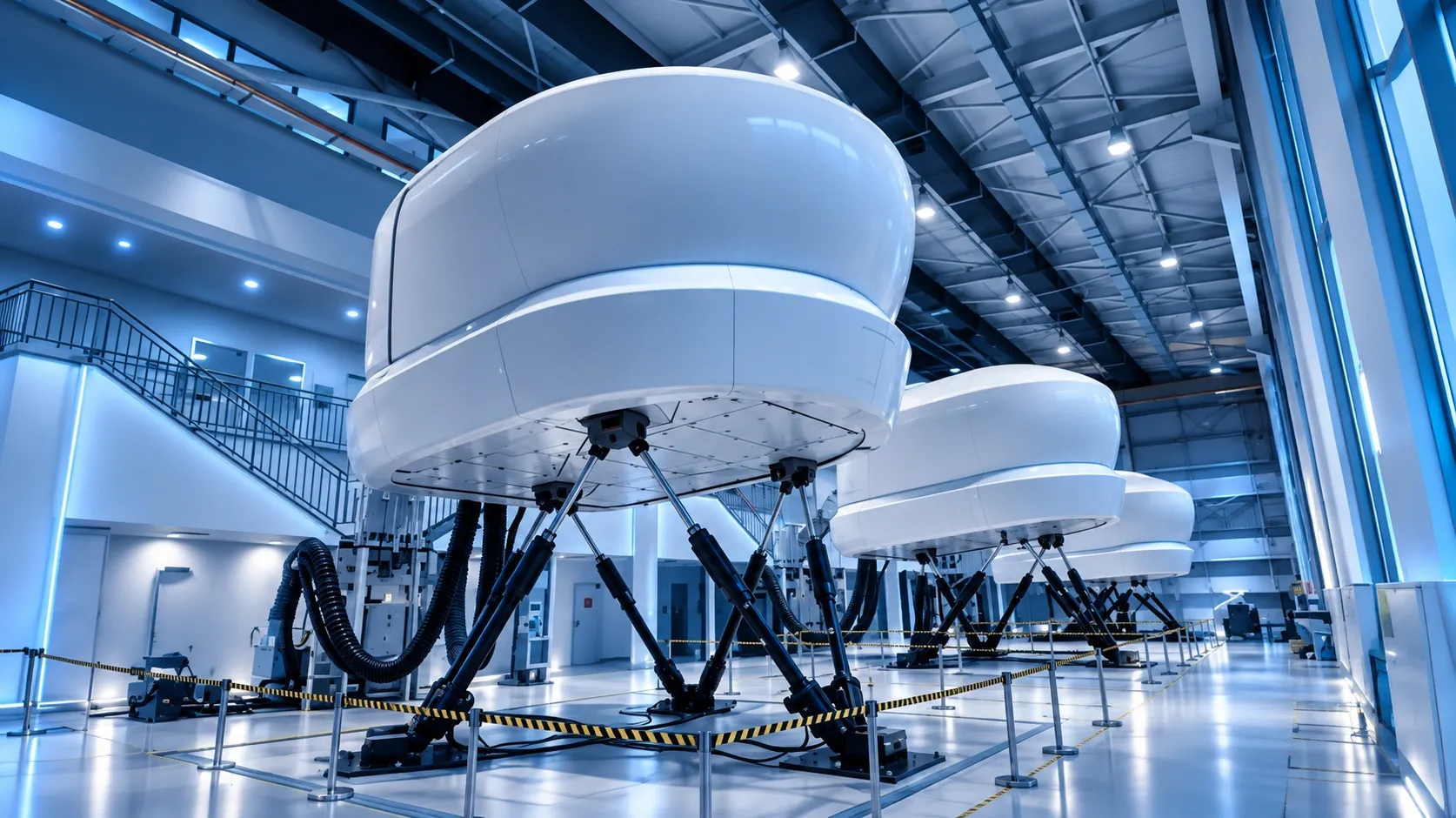
Scarce simulator availability means working around tight booking windows and long wait times.
Pilots often travel between cities to access the right simulator at the right time.
Some essential training still requires heading overseas, adding cost and complexity.

Bringing training closer to the pilots who need it.
Movsta Aviation is changing that, starting with New Delhi. We're building a more accessible simulator training network across India, starting from the capital and expanding into key aviation hubs.
The goal is simple: bring high-quality full-flight simulator and type-rating training closer to the pilots and airline operators who need it.
No more travelling between cities. No more scarce slots. No more heading overseas for essential training.
Every
Session.
Same
Standard.
Consistency matters just as much. No matter who leads the session, every pilot gets the same high standard of training, guidance, and assessment.
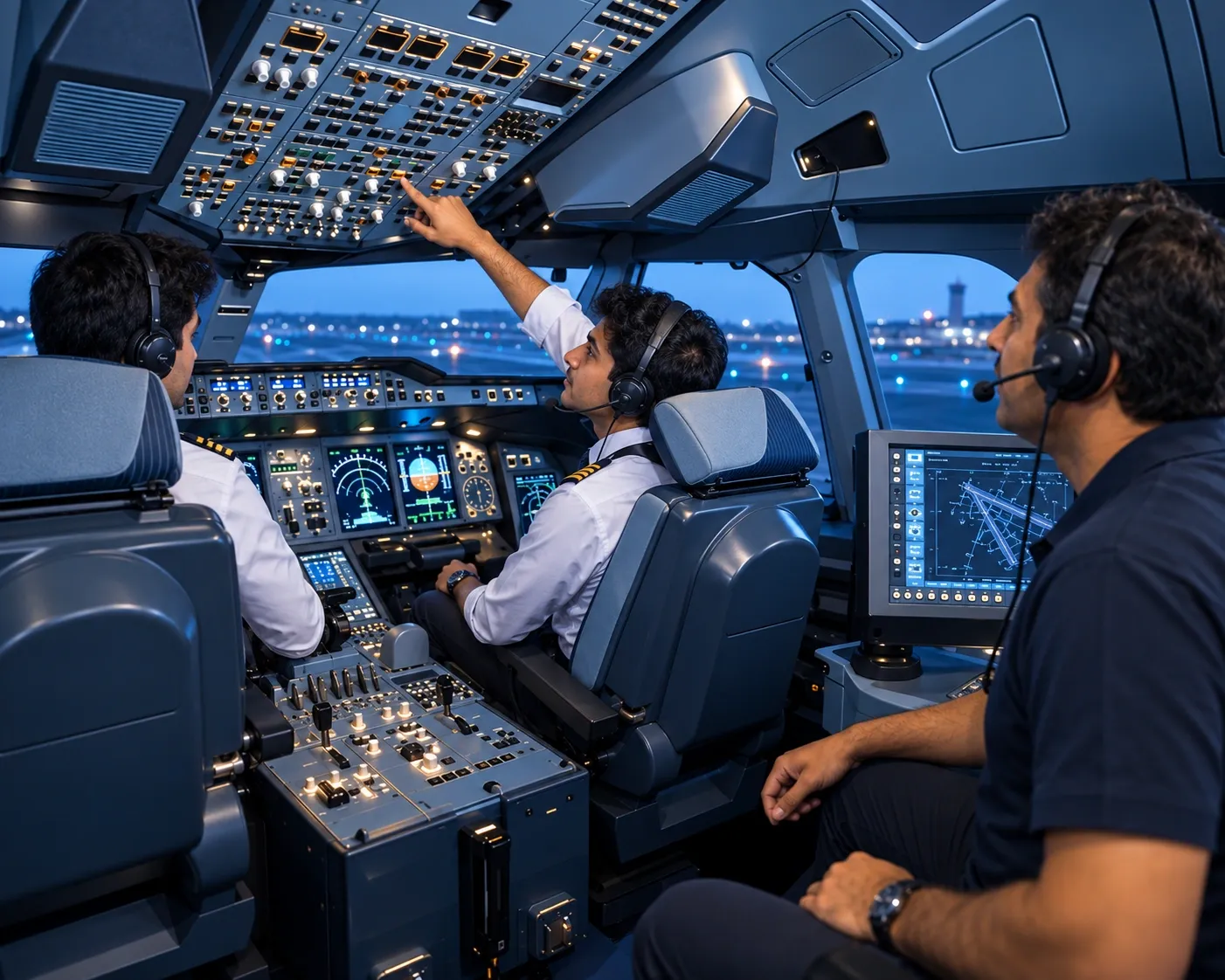
When a crew steps into the simulator, the experience should feel seamless. That doesn't happen by chance. Behind every session is a team making sure the simulator is ready, reliable, and performing as it should.
From detailed pre-session checks to real-time technical support, every detail is handled before it becomes a problem. We follow rigorous operational routines and stay aligned with approved qualification standards, keeping performance consistent from one session to the next.
How We
Craft an
Airline-Ready
Pilot.
A structured 10-step journey designed to take licensed pilots from their first assessment all the way through to DGCA type-rating endorsement on their licence.

Eligibility & Enrollment
We start with the basics. We review your pilot credentials, documentation, and eligibility before training begins, making sure you're ready for the journey ahead.

Centre Check-in & Validation
We get you settled in and complete documentation, knowledge validation, and orientation, so you know the training centre, simulator environment, and what to expect.

Ground School
We build the knowledge behind the flight. Aircraft systems, engines, performance, limitations, procedures and operations, to build a strong technical foundation.

FTD Familiarization & MCC-JOC
We get you into the cockpit environment early. Flows, checklists, switchology, procedures, and multi-crew coordination using fixed-base training devices.

Manual Handling
We take the training into the Full Flight Simulator. Focus goes on precise aircraft handling, flight path management, attitude, energy, and raw-data flying.

Automation & SOPs
We move into the modern airline flight deck. Autoflight, autothrottle, FMS operations, standard callouts, cockpit flows, and airline-standard SOPs.

UPRT
We prepare pilots to prevent and recover from aircraft upsets through structured theoretical instruction and practical simulator exercises, typically ~5 hours theory and ~2 hours practical PF training in a Level D FFS.

Non-Normal & Scenario Training
We take training beyond normal operations. Non-normal procedures, emergency scenarios, LOFT, and Threat and Error Management (TEM) to build decision-making and operational resilience.

Integrated Skill Test
We bring everything together. We assess technical knowledge, aircraft handling, procedures, and crew coordination during the required simulator skill assessment.

Type Rating Endorsement
We close the journey with the paperwork that matters. Following successful completion of training and testing, we submit the required documentation for DGCA scrutiny and aircraft-type endorsement on your licence.
Ready to Be Part
of India's Next
Chapter?
Whether you're a pilot seeking type-rating training or an airline operator looking for reliable simulator access, let's start the conversation.